

Why Our Flooring Is The Best For Co-Living, Build to Rent & Student Accommodation
Durable, safe, and sustainable flooring designed for high-traffic residential buildings
We supply Impervia flooring for large scale residential projects where durability, safety, and long term performance matter. Our flooring is used in co living developments, build to rent schemes, and student accommodation where floors need to withstand heavy daily use.
With experience supporting developers, architects, and interior designers, we help teams choose flooring that performs well in shared living environments and remains cost effective over time.
Why is Impervia a good choice for co-living and build-to-rent projects?
In short, shared residential buildings place heavy demands on floors. Impervia is designed to cope with this.
Co-living and student accommodation involve high foot traffic, frequent cleaning, and regular furniture movement. Floors must be stable, durable, and safe while still looking good for residents.
Impervia flooring is built to handle these conditions without warping, staining, or degrading over time. Whether using rigid planks or Herringbone parquet, the flooring remains consistent across large spaces.
Is Impervia a sustainable flooring option?
Yes. Impervia is designed to reduce environmental impact without sacrificing performance.
Traditional wood flooring relies on natural resources and can struggle in humid or wet environments. Impervia offers the appearance of wood without the same material demand or maintenance concerns.
It requires no additional underlay or adhesive, which reduces material usage and waste. Impervia flooring is waterproof, fire-resistant, and formaldehyde-free.
All Impervia flooring carries a FloorScore rating tested by SCS. This confirms that it meets recognised indoor air quality standards for residential environments.
Is Impervia suitable for high-traffic and shared spaces?
Yes. Impervia performs well in busy communal areas.
The flooring has a low risk slip rating in wet conditions, with ratings of 39, 38, and 40, making it suitable for shared kitchens, corridors, and entrances. It also delivers a 21 decibel acoustic rating, helping to reduce sound transfer between rooms and floors.
These features are especially important in student accommodation and co-living buildings where noise and safety are common concerns.
Can Impervia be used to create different spaces within one building?
Yes. Impervia allows flexibility while maintaining consistency.
The flooring is designed to last for the lifetime of a building and individual boards can be replaced if needed. Entire floors can also be lifted and reinstalled elsewhere, making it easier to adapt interiors over time.
This flexibility allows designers to create varied spaces using one flooring system while keeping performance consistent across the development.
Where has Impervia been used in real projects?
Impervia has been used in several buy-to-let developments in London, including York House, Wembley Park. This co-living retrofit project used White Washed Oak flooring and demonstrates how Impervia performs in real residential settings.
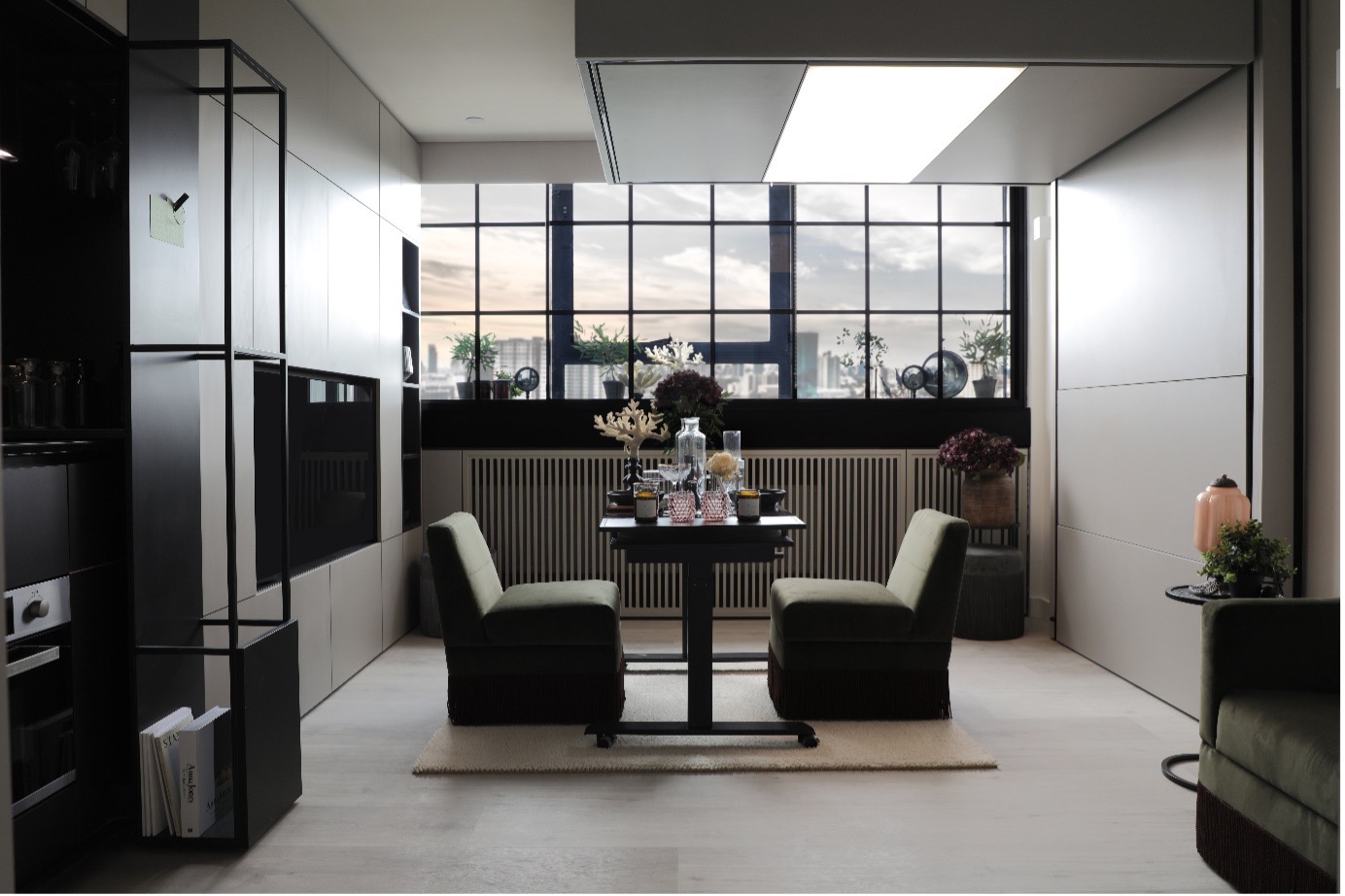
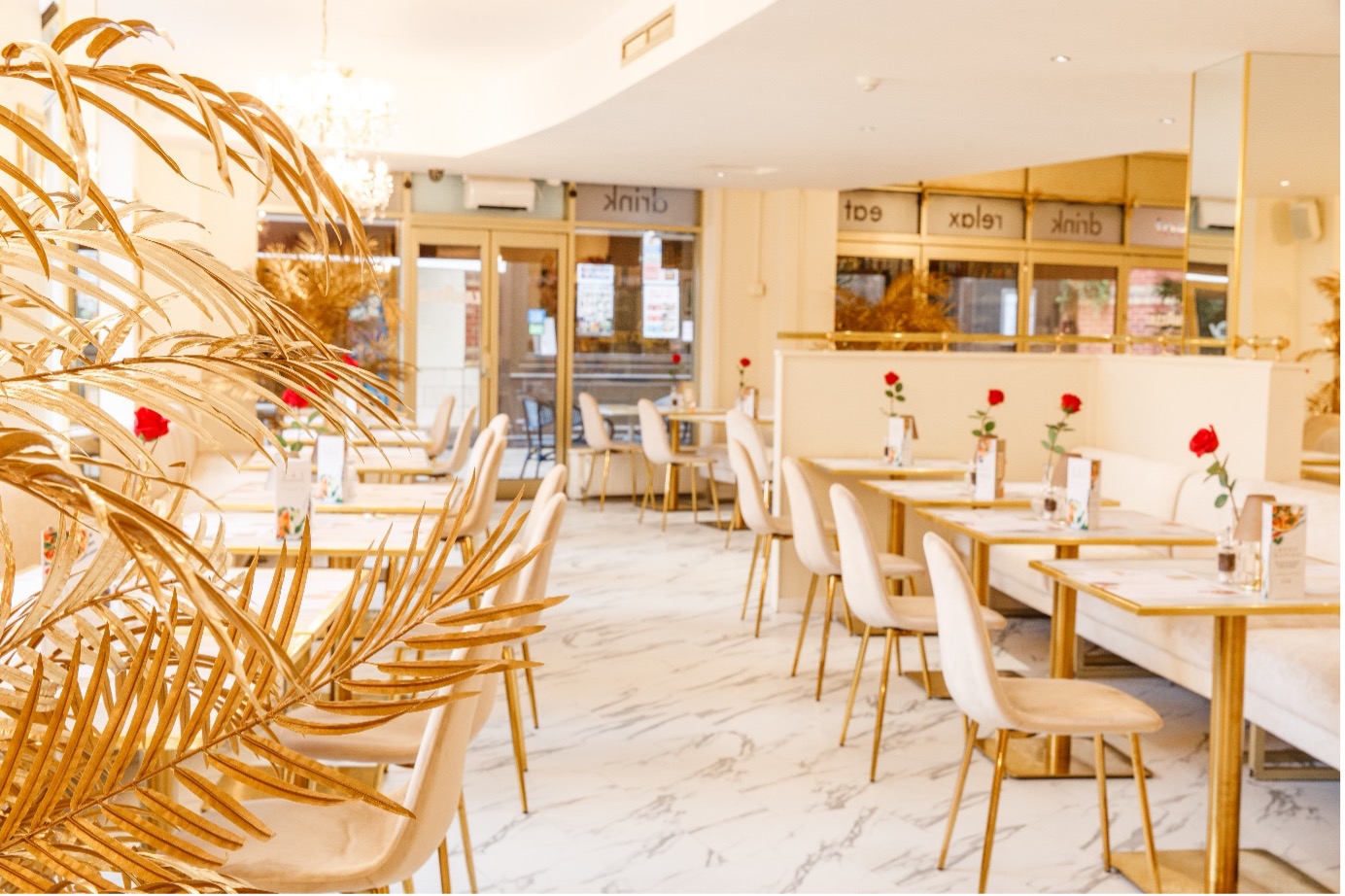
Impervia flooring has also been installed in commercial environments, such as a restaurant in Birmingham, using White Marble Stone tiles, showing its suitability for mixed-use developments.
Why choose Impervia for shared living developments?
Because it offers long-term value and reliability.
- Impervia Flooring is:
- 100 per cent waterproof
- Installed without additional underlay as each plank includes IXPE underlay
- Slip-resistant
- Simple and cost-effective to install
- Installed without adhesive
- Designed to look and feel like real wood
- 6.5mm thick overall
- Sustainable with a low carbon footprint
- VOC-free with no emissions
- Acoustically rated at 21 decibels
Talk to our team about your project
If you are planning a co-living, build-to-rent, or student accommodation project, call 01666 504 015 or email [email protected] to speak with one of our flooring specialists.
