

How To Choose The Best Flooring For Dogs
Contents
- What Is the Best Flooring for Dogs?
- What Should You Look for When Choosing Flooring for Dogs?
- What Are the Best Flooring Options for Dogs?
- Which Types of Flooring Should You Avoid with Dogs?
- Where Is Dog-Friendly Flooring Useful in Commercial Projects?
- How Can You Protect Your Floors from Dogs?
- Which Flooring Is Best for Specific Dog-Related Needs?
- Dog-Friendly Flooring FAQs
- Choose Pet-Friendly Flooring with Confidence
What Is the Best Flooring for Dogs?
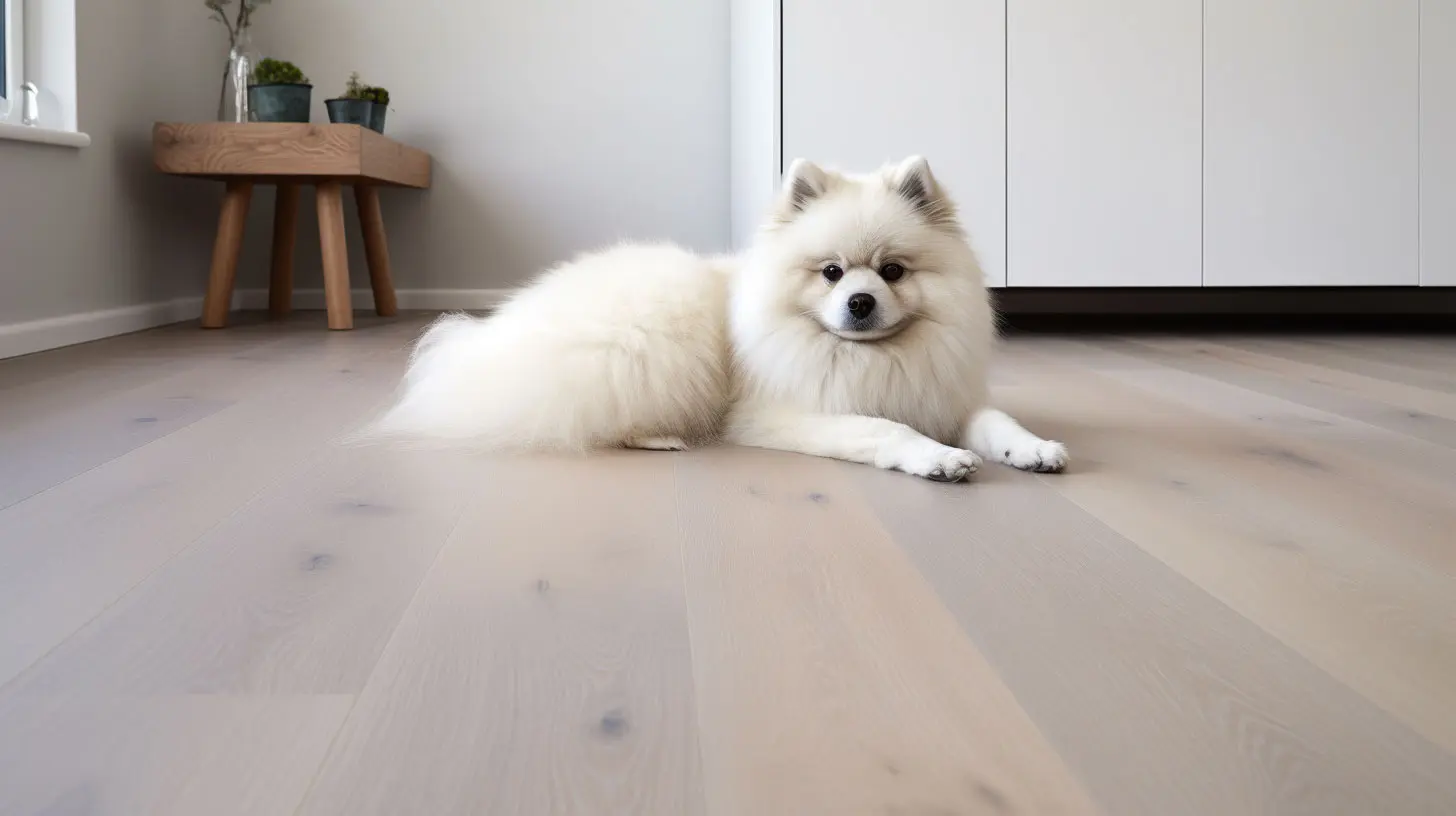
The best flooring for dogs should be waterproof, scratch-resistant, easy to clean and sufficiently textured to reduce slipping. Impervia rigid composite stone flooring combines these qualities with a commercial-grade wear surface, making it suitable for pet-friendly homes, residential developments, build-to-rent schemes, hospitality environments and other high-use interiors.
Dog-friendly flooring needs to manage more than everyday footfall. It must cope with wet paws, claw contact, pet hair, spills, occasional accidents and repeated cleaning, without becoming difficult to maintain or uncomfortable underfoot.
At Impervia, our pet-friendly flooring is designed to provide a practical balance of durability, waterproof performance, design flexibility and ease of maintenance. It is suitable for homeowners choosing flooring for dogs, as well as specifiers and contractors selecting flooring for pet-friendly residential, hospitality or commercial spaces.
- Waterproof construction for spills, wet paws and pet accidents
- Commercial-grade surface designed for everyday wear
- Textured finish to support grip underfoot
- Easy-clean surface that does not trap pet hair like carpet
- Built-in IXPE acoustic backing on selected ranges
- Wood, herringbone, stone and marble-effect designs available
Explore Impervia pet-friendly flooring or order samples to compare finishes for your project.
What Should You Look for When Choosing Flooring for Dogs?
When choosing flooring for dogs, look for durability, waterproof performance, scratch resistance, stain resistance, easy cleaning and a surface that supports grip. For commercial or multi-residential schemes, specifiers should also consider acoustic performance, fire performance, VOC credentials, installation method and suitability for high footfall areas.
The right flooring should not just look good on installation. It should remain practical after repeated cleaning, daily pet movement and long-term use.
How Scratch-Resistant Should Dog-Friendly Flooring Be?
Dog-friendly flooring should withstand regular claw contact, grit carried indoors and repeated cleaning without premature surface deterioration. The wear layer and surface finish should therefore be assessed, rather than relying on general claims such as “pet-proof”.
Impervia flooring is designed with a commercial-grade surface suitable for demanding everyday use. However, no flooring should be treated as completely scratch-proof. Regular nail trimming, entrance matting and routine cleaning will help protect the finish and reduce avoidable surface marks.
Which Flooring Is Most Comfortable for Dogs?
Comfort depends on surface temperature, hardness, grip and acoustic response. Very hard surfaces, such as ceramic or porcelain tiles, can be durable but may feel less forgiving underfoot, especially for older dogs.
Impervia rigid flooring provides a stable walking surface with a textured finish. Selected ranges also include built-in IXPE acoustic backing, which can help reduce impact sound in apartments, corridors and multi-occupancy environments.
Which Dog-Friendly Flooring Is Easiest to Clean?
Waterproof, non-porous flooring is generally easiest to maintain because hair, mud and liquids remain on the surface rather than penetrating the material. Smooth cleaning should be balanced with enough texture to support grip.
Impervia flooring can be cleaned using normal floor cleaning routines, making it practical for households with dogs, pet-friendly accommodation, communal areas and hospitality settings where regular cleaning is required.
What Is the Best Low-Slip Flooring for Dogs?
The best low-slip flooring for dogs has a tested, textured surface that provides grip when dry and when exposed to moisture. This is particularly important for older dogs, wet paws, entrances, kitchens, communal corridors and pet-friendly hospitality spaces.
Impervia flooring has a textured finish designed to provide a low slip risk in the wet, making it a practical alternative to smooth ceramic or polished stone surfaces. Where flooring is being specified for a commercial project, always check the relevant slip-resistance data before final selection.
Why Does Dog-Friendly Flooring Need to Be Waterproof?
Waterproof flooring prevents pet accidents, spills and wet-paw moisture from penetrating the floor covering. This reduces the risk of staining, odours, swelling and deterioration, particularly in entrance areas, kitchens, apartments and pet-friendly accommodation.
Impervia plank, herringbone and tile flooring options are designed to be waterproof, stain-resistant and easy to maintain, which makes them a practical choice for homes and commercial spaces used by dogs.
What Are the Best Flooring Options for Dogs?
The best flooring for dogs balances durability, comfort, water resistance, scratch resistance and maintenance. The right choice will depend on whether the floor is being used in a private home, rental property, apartment development, hospitality setting or high-traffic commercial space.
| Flooring type | Water resistance | Scratch performance | Cleaning | Key consideration |
|---|---|---|---|---|
| Impervia rigid flooring | Waterproof | Commercial-grade wear surface | Easy to clean | Combines durability, texture, design choice and acoustic backing on selected ranges |
| Tile | High | Very strong | Easy surface cleaning | Can be hard underfoot and grout requires maintenance |
| Laminate | Product-dependent | Generally good | Straightforward | Moisture can affect joints and core if not fully waterproof |
| Engineered wood | Limited compared with waterproof flooring | Finish-dependent | Requires suitable cleaning products | Can mark, stain or require refinishing over time |
| Carpet | Low | Not applicable | More difficult to clean | Can trap hair, odours, moisture and allergens |
1. Impervia Flooring
Impervia is a strong all-round option for dog-friendly flooring. It is waterproof, easy to clean and designed with a durable surface that can cope with everyday pet use. It also offers wood, herringbone, stone and marble-effect designs, allowing practical flooring to support the design intent of a room or wider project.
For commercial or multi-residential use, Impervia is particularly relevant where durability, easy maintenance, acoustic performance and installation efficiency need to be considered together.
2. Tile Flooring
Tile is durable, waterproof when correctly installed and easy to clean. It can work well in kitchens, bathrooms and entrance areas, but it may feel hard and cold underfoot. Smooth tiles can also become slippery when wet, so surface finish and slip performance should be checked carefully.
3. Laminate Flooring
Laminate flooring is often chosen for its affordability and scratch resistance. However, its water resistance varies significantly by product. Standard laminate can be vulnerable to swelling if moisture enters the joints, so it is important to choose a water-resistant or waterproof option if dogs are likely to cause spills or accidents.
4. Engineered Wood Flooring
Engineered wood flooring provides the appearance of timber with improved stability compared with solid wood. It can still be vulnerable to scratches, moisture and staining, depending on the finish. For homes or commercial spaces with regular dog use, it may require more maintenance than waterproof rigid flooring.
5. Solid Wood Flooring
Solid wood floors are attractive but can be scratched by claws and damaged by moisture from spills or accidents. Over time, repeated exposure to moisture may cause staining, warping or discolouration. If a timber look is preferred, wood-effect rigid flooring may provide a more practical alternative for pet-friendly environments.
Which Types of Flooring Should You Avoid with Dogs?
Avoid flooring that readily absorbs moisture, traps hair and odours, offers poor wet grip or is easily damaged by claws. Suitability also depends on the intensity of use, so a material that works in a lightly used room may not perform adequately in a busy home, shared residential building or hospitality space.
1. Cork Flooring
Cork flooring is soft and comfortable underfoot, but it is not the most practical option for dogs that bring in water, mud or grit. It can stain and may be affected by moisture if not properly sealed and maintained.
2. Carpet
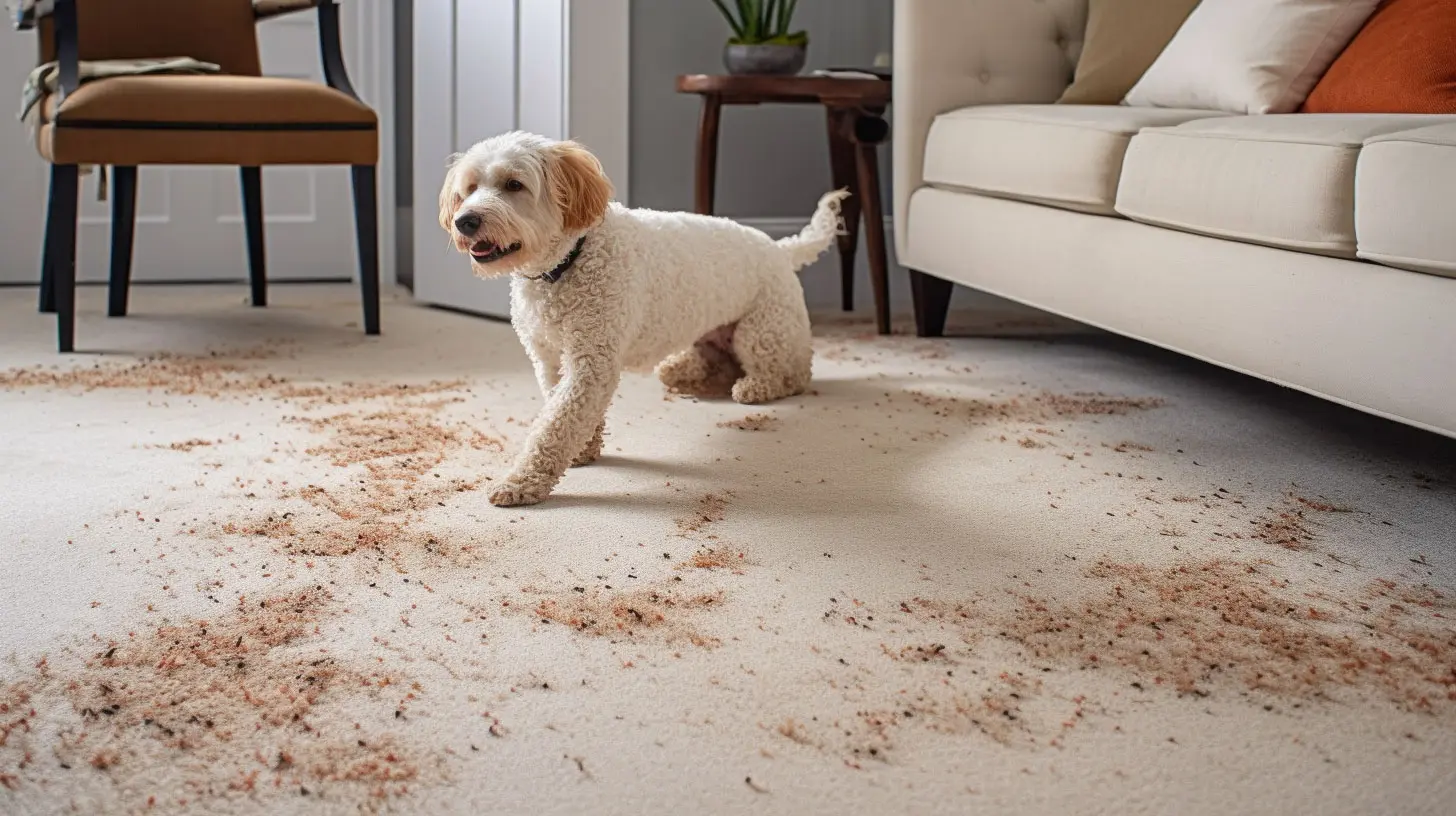
Carpet can feel comfortable, but it is difficult to keep clean in pet-friendly spaces. It can trap hair, odours, moisture, dust and allergens, and may stain quickly after accidents. In high-use environments, carpet can also wear down more quickly than hard flooring.
3. Smooth or Polished Surfaces
Very smooth tiles, polished stone or glossy floors can be difficult for dogs to grip, especially when wet. This can be a particular issue for older dogs, larger breeds or dogs with joint problems.
Where Is Dog-Friendly Flooring Useful in Commercial Projects?
Dog-friendly flooring is increasingly relevant beyond individual homes. It may be specified for build-to-rent developments, residential towers, pet-friendly hotels, communal lounges, managed accommodation and workplaces with dog-friendly policies.
In these environments, flooring needs to support design intent while also reducing maintenance risk, cleaning complexity and premature replacement.
- Apartment entrances and open-plan living areas
- Build-to-rent and residential tower developments
- Communal corridors, receptions and shared lounges
- Pet-friendly hotel bedrooms and public areas
- Student accommodation and managed residential schemes
- Dog-friendly offices and workplace breakout areas
For specification-led projects, review technical data alongside appearance. Key considerations include waterproof performance, slip resistance, acoustic backing, fire performance, VOC credentials, subfloor suitability and cleaning requirements.
How Can You Protect Your Floors from Dogs?
Even with durable dog-friendly flooring, good maintenance will help extend the floor’s lifespan and keep it looking its best.
1. Clean Spills and Accidents Promptly
Accidents happen, but quick cleaning helps prevent odours, staining and residue build-up. Waterproof flooring makes this easier because liquid remains on the surface rather than soaking into the floor.
2. Trim Your Dog’s Nails Regularly
Keeping your dog’s nails trimmed reduces the risk of visible surface marks on hard flooring. This is especially important for active dogs, larger breeds and areas where dogs run or change direction quickly.
3. Use Mats at Entrances and Feeding Areas
Place mats near external doors and beneath food and water bowls. This helps capture mud, grit and moisture before it spreads across the floor.
4. Vacuum Frequently and Mop as Needed
Regular vacuuming removes pet hair, grit and debris that can contribute to surface wear. Mop with a suitable cleaner as needed, following the flooring manufacturer’s maintenance guidance.
Which Flooring Is Best for Specific Dog-Related Needs?
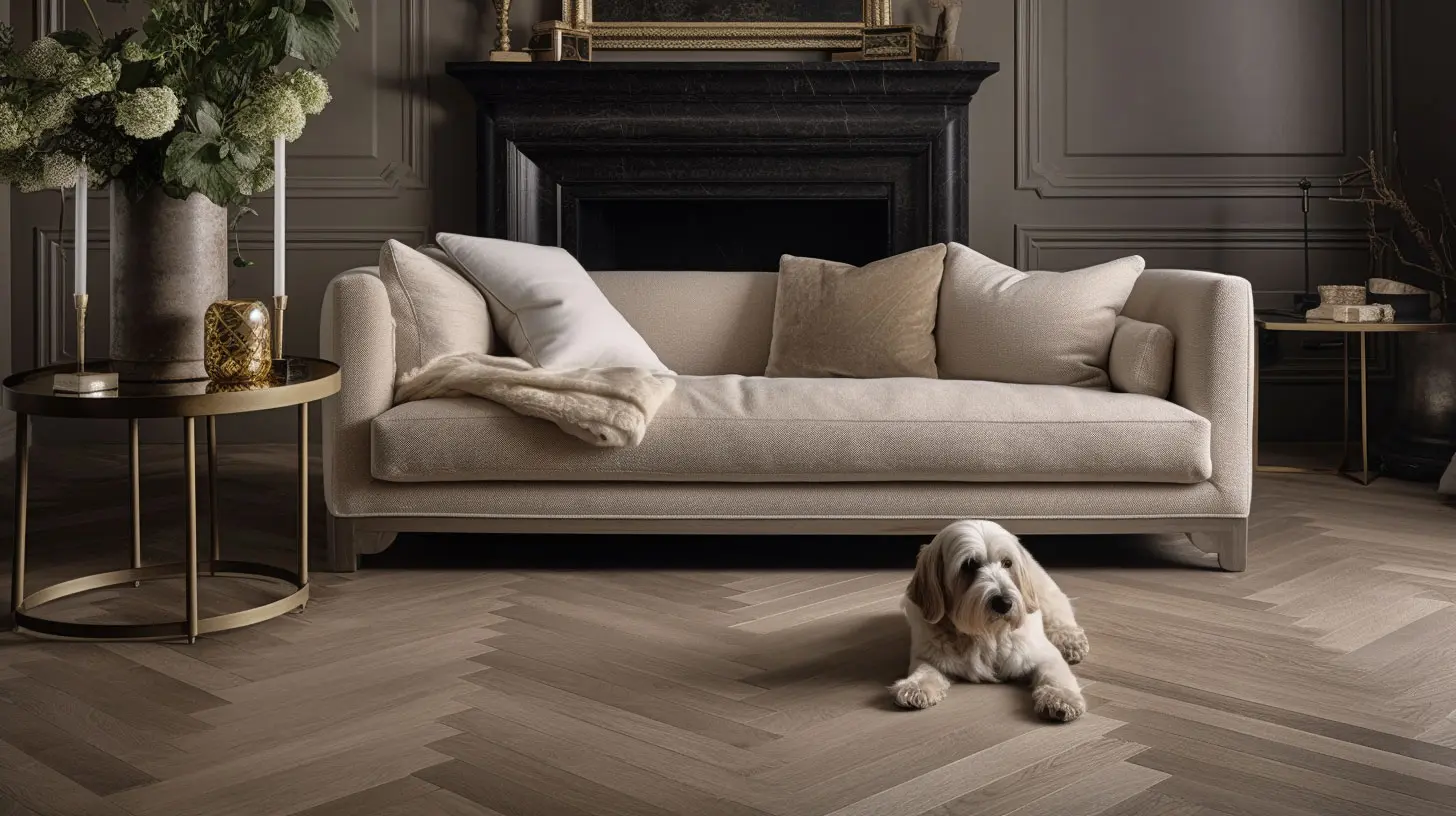
Different dogs and different spaces create different flooring requirements. The best choice may depend on whether your main concern is urine resistance, slip risk, hair management, comfort or long-term durability.
What Is the Best Flooring for Dogs That Pee?
Waterproof flooring is the best choice for dogs prone to accidents. Impervia rigid flooring and other waterproof LVT-style floors help prevent urine from penetrating the surface, making cleaning easier and reducing the risk of odours or staining.
What Is the Best Non-Slip Flooring for Dogs?
The best non-slip flooring for dogs is a textured surface with suitable wet and dry grip. This is particularly important for older dogs or dogs with mobility issues. Hard flooring can be challenging for older dogs, so rugs with suitable grip backing may also help in selected areas.
What Is the Best Flooring for Dog Hair?
Smooth, easy-clean surfaces such as waterproof rigid flooring, LVT and laminate are easier to maintain than carpet. They do not trap hair in fibres, making vacuuming and mopping more effective.
What Flooring Can Withstand Dog Pee?
Waterproof luxury vinyl tile and rigid composite flooring are among the most practical options for dog urine because they resist moisture penetration. The floor should still be cleaned promptly to avoid residue, odour or hygiene issues.
What Is the Best Waterproof and Scratch-Resistant Flooring?
Impervia rigid flooring is a strong option where waterproof performance and scratch resistance are both important. It combines a waterproof construction with a commercial-grade surface, making it suitable for homes, apartments, pet-friendly accommodation and high-use interiors.
Dog-Friendly Flooring FAQs
What flooring is best when you have dogs?
The best flooring for dogs is waterproof, scratch-resistant, easy to clean and sufficiently textured to reduce slipping. Impervia rigid flooring, quality LVT, tile and selected laminate products can all be suitable, but the right choice depends on moisture exposure, cleaning requirements, comfort and expected footfall.
Is LVT or laminate better for dogs?
LVT is often better for dogs where water resistance is a priority, because many LVT products are waterproof. Laminate can offer good scratch resistance, but standard laminate may be vulnerable to swelling if moisture enters the joints. Always check the product’s water-resistance rating before choosing.
Can dog pee ruin laminate flooring?
Dog urine can damage laminate flooring if it is not cleaned quickly, especially if moisture enters the joints or edges. Waterproof flooring such as LVT or rigid composite flooring is generally more suitable for dogs prone to accidents because liquid remains on the surface for easier cleaning.
Can dog pee seep into wood floors?
Yes, dog urine can seep into wood floors, causing stains, odours and discolouration. Solid wood and some engineered wood floors may also be affected by repeated moisture exposure. Waterproof LVT or rigid flooring is usually a more practical choice for homes or schemes where pet accidents are likely.
Is wood or carpet better for dogs?
Wood is usually easier to clean than carpet, but it can still scratch, stain or absorb moisture. Carpet is less suitable for many dog-friendly spaces because it traps hair, odours and dirt. For practical performance, waterproof hard flooring is often a better long-term option.
What carpet should you avoid with dogs?
Avoid plush, deep-pile or looped carpets in spaces regularly used by dogs. These carpets can trap hair, hold odours and become difficult to clean after accidents. Looped fibres may also catch on claws. If carpet is required, choose a low-pile, stain-resistant option and use it away from wet areas.
Is underfloor heating safe for dogs to lie on?
Underfloor heating is generally safe for dogs when it is properly controlled and installed beneath a compatible floor covering. The surface temperature should remain comfortable and not become excessively warm. Always check the flooring manufacturer’s underfloor heating guidance before installation.
How do I dog-proof my existing flooring?
You can dog-proof existing flooring by using entrance mats, trimming your dog’s nails, cleaning spills quickly and placing mats under food and water bowls. Rugs with suitable grip backing may help older dogs on hard flooring, but avoid loose rugs that could move underfoot.
How long does dog-friendly flooring last?
The lifespan of dog-friendly flooring depends on the product, installation quality, maintenance and level of use. High-quality waterproof rigid flooring and LVT can last for many years when properly installed and maintained, while carpet or soft flooring may need replacing sooner in high-use pet areas.
Is rigid core LVT suitable for pet-friendly apartments?
Rigid core LVT can be well suited to pet-friendly apartments because it combines waterproof construction, easy cleaning and resistance to everyday wear. Products with built-in acoustic backing can also help reduce impact sound. Specifiers should confirm the individual product’s slip, acoustic, fire and indoor air quality credentials before selection.
What flooring is best for communal areas used by dogs?
Communal entrances, corridors and shared lounges require flooring that withstands wet paws, grit, claw contact and frequent cleaning. Waterproof rigid flooring with a durable wear layer and textured surface is a practical option, provided its slip resistance, fire performance and cleaning requirements are appropriate for the project.
Can dog-friendly flooring be installed over an existing floor?
Some rigid flooring systems can be fitted over suitable existing floors, reducing strip-out, waste and disruption during refurbishment. The existing substrate must be flat, stable, dry and compatible with the manufacturer’s requirements. This can be valuable in occupied residential developments, hospitality buildings and phased refurbishment projects.
Does acoustic backing matter in pet-friendly developments?
Acoustic backing can reduce impact sound from claws, movement and general footfall, making it relevant in apartments, student accommodation and multi-occupancy buildings. It should not be treated as a substitute for a full acoustic assessment, but verified impact sound data can support specification and help manage noise between spaces.
How should dog-friendly commercial flooring be specified?
Specify dog-friendly flooring by reviewing waterproof performance, wear-layer construction, slip resistance, fire classification, acoustic data, VOC credentials, cleaning requirements and subfloor compatibility. These factors provide a stronger technical basis for selection than broad labels such as “pet-proof” or “durable”.
Choose Pet-Friendly Flooring with Confidence
Pet-friendly flooring should support the way a space is used every day. It needs to be practical, durable, easy to clean and safe underfoot, while still delivering the right finish for the room or project.
Why Choose Impervia Pet-Friendly Flooring?
- Waterproof performance: Suitable for spills, wet paws and pet accidents.
- Durable surface: Designed for everyday wear in busy homes and high-use interiors.
- Easy maintenance: Simple cleaning without fibres that trap hair or odours.
- Textured finish: Helps support grip underfoot compared with smoother hard surfaces.
- Design flexibility: Available in plank, herringbone, stone and marble-effect finishes.
- Project suitability: Relevant for homes, apartments, hospitality spaces, build-to-rent schemes and commercial interiors.
Get Started
- Explore pet-friendly flooring: Browse Impervia pet-friendly flooring options.
- Compare finishes: Order samples to review colours, textures and formats.
- Discuss a project: Contact Impervia for product guidance and technical information.
Specifying flooring for a pet-friendly residential, hospitality or workplace project? Contact Impervia to request samples and technical information for your proposed environment.

